







Search Results for: coachman coffee
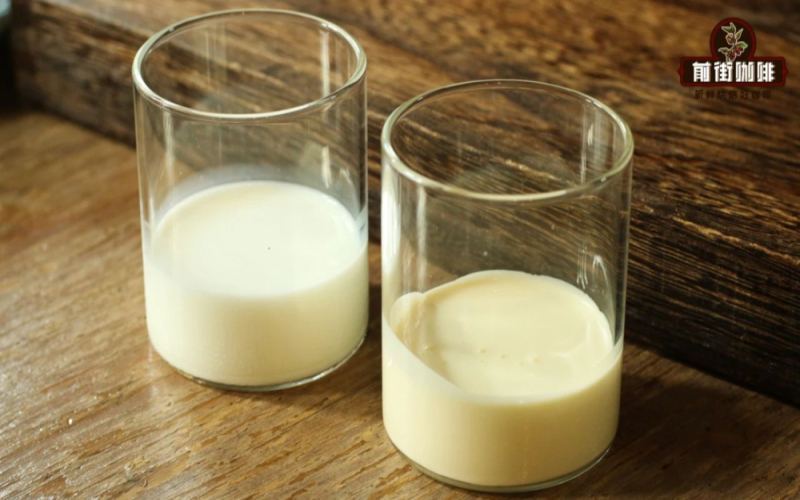
The Origin and Preparation of Viennese Coffee: From Coachman's Coffee to the Cream Coffee Evolution of the Blue Bottle House
Who actually invented adding cream to coffee? Behind Viennese coffee lies a coffee culture history spanning three hundred years. From the one-horse carriages on Austrian streets, to the localized improvements by Kolschitzky, founder of the Blue Bottle House, and on to today's cream-topped fancy coffees popular worldwide, the evolution of this drink is far richer than one might imagine. This article will sort out the true origins of Viennese coffee, clarify its connection to the birth of latte, and share both traditional and modern preparation methods, along with Front Street Coffee's extraction parameters and bean recommendations for coffee enthusiasts to reference and practice. [more…]
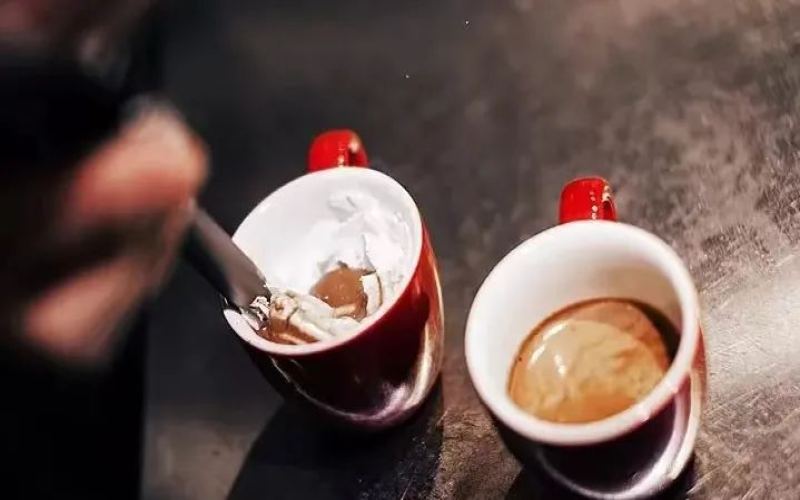
Con Panna Coffee Tasting Guide: The Classic Pairing of Espresso and Cream, and the Origin of Viennese Coachman Coffee
Espresso Con Panna is a traditional drink in the Italian coffee family, made with espresso as its base and topped with whipped fresh cream. Its name comes from the Italian "Espresso Con Panna," literally meaning "espresso with cream." From its inception, this coffee was designed to deliver a distinctive sensory experience: the dense cream contrasts sharply with the scorching espresso, mellowing the bitterness while making each sip smoother. Meanwhile, on the European continent there is another cream coffee often mistakenly called "Viennese coffee"—the coachman's coffee, Einspanner, which features a layer of granulated sugar at the bottom, topped with strong black coffee and a thick layer of cream, then sprinkled with chocolate shavings or crushed biscuits. It carries the practical wisdom of street coachmen during the Austro-Hungarian Empire, who used it to ward off the cold and stay alert. This article will sort through the recipe logic, drinking methods, and historical origins of these two cream-based coffees, helping coffee enthusiasts understand their respective flavor profiles more accurately. [more…]

The classic collision of cream and coffee: easily make two versions of Vienna coffee at home.
Viennese coffee is a specialty drink of Vienna, the capital of Austria, and on local menus it also has a more down-to-earth name—"Coachman's Coffee." The birth of this coffee is closely tied to the winter-night travels of a street coachman during the Austro-Hungarian Empire; to stay awake, fill his stomach, and replenish heat, he combined cream and sugar with coffee, accidentally creating a classic cup. Today, Viennese coffee has evolved into a modern version of "latte + cream," which is simple to make and easy to recreate at home. This article will take you through its origins and show you step by step how to make both the original and the current versions of Viennese coffee, so you can experience the rich, full texture of cream intertwined with coffee. [more…]
The Making of Viennese Coffee, the Origin of Cream Latte, and a Study of the Founder of Blue Bottle House
When and by whom was cream first added to coffee? This article begins with the origins of Viennese coffee, traces its connection to the coachman's Einspänner, and follows the coffee localization practices of Kolschitzky, founder of the Blue Bottle House, after 1684, revealing how cream coffee spread from Vienna to the world. It includes both detailed brewing and preparation steps for traditional Viennese coffee and an introduction to the diverse modern ways of enjoying cream coffee, along with product suggestions and brewing parameters for Front Street Dark Cocoa Blend, PWN Golden Mandheling, and more, balancing historical interest with practical reference. [more…]
A Comprehensive Analysis of 26 Classic Coffee Drinks Worldwide: Origins of Names, Recipes, and Step-by-Step Brewing Guides
The world of coffee is far more than a cup of Americano or latte. From Irish whiskey coffee to Mexico's Huastec layered coffee, every specialty coffee drink hides a story of regional culture and history. This article systematically sorts through 26 classic specialty coffee drinks from around the world, covering their names, origins, ingredient ratios, and detailed brewing steps. Whether you are a coffee enthusiast or a barista, you will find a recipe worth trying. The article also retains relevant recommendations from the "Front Street" brand for daily bean selection reference. [more…]
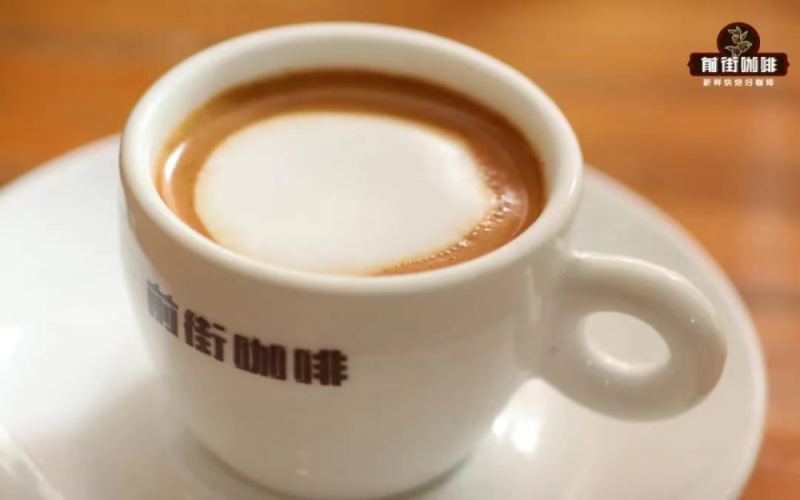
Types of Espresso Drinks | How Can Coffee Beginners Learn to Make Espresso Black Coffee and Milk Coffee? What Are the Recipe Ratios for Various Espresso Drinks?
For those who are just getting into espresso coffee, facing a bunch of coffee terms can leave you feeling completely lost, such as Espresso, Ristretto, Lungo, Latte, Flat White, and so on. These all fall under the category of espresso coffee. Front Street Coffee (FrontS [more…]
Mandheling: From Southeast Asian Plantations to the Specialty Wave—A History of Coffee in Motion Across Three Centuries
While Yirgacheffe has taken the specialty coffee world by storm with its bright fruity acidity, Mandheling's rich, mellow, woody aroma still lingers in the minds of many seasoned connoisseurs. Starting from flavor, this article traces the three-hundred-year history of coffee circulation behind Mandheling: from the Dutch East India Company's establishment of coffee plantations in Indonesia, to the Nanyang Chinese who ran the coffee trade, to postwar Japan's reverence for Mandheling, and the origin of the name Golden Mandheling. Front Street Coffee's perspective runs throughout, showing you how a single cup of Mandheling carries half of coffee history, and helping you understand the depth of traditional coffee's taste memory. [more…]
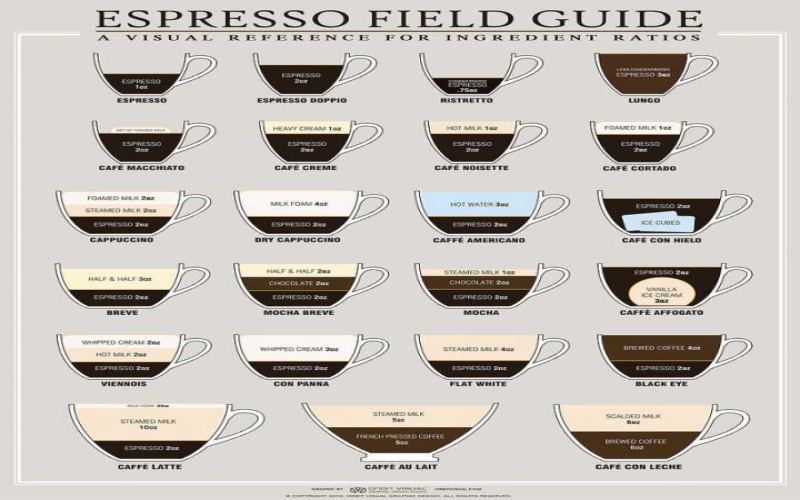
An Illustrated Guide to the Espresso Family: The Ratio Code of Milk and Espresso, and Front Street Coffee's Brewing Parameters
Latte, cappuccino, mocha, Americano, macchiato… Faced with the dazzling array of espresso drink names on a menu, many people feel confused: what exactly is the difference between them? The core difference often lies in the ratio of espresso to milk (or water, cream, chocolate). This article uses a single chart to walk you through the compositional logic of common espresso drinks, from the extraction principles of Espresso to how a moka pot works, and then to specific categories such as white coffee, latte, cappuccino, con panna, mocha, Viennese, and macchiato, explaining their ingredient combinations and flavor characteristics one by one. At the same time, it retains Front Street Coffee's actual parameters and blend bean information for espresso, Americano, latte, cappuccino, and other offerings, helping coffee lovers, on the basis of understanding proportions, more accurately choose or recreate the flavor they like. [more…]
A Comprehensive Analysis of Fancy Coffee Types and Characteristics and Espresso Extraction, with Classic Recipes and Preparation Methods
Espresso is the foundation of many fancy coffee drinks, and understanding its extraction parameters and flavor characteristics is key to mastering coffee preparation. This article systematically reviews the recipe ratios, taste differences, and preparation steps of more than ten classic fancy coffees, including latte, cappuccino, macchiato, con panna, and Viennese coffee, while also explaining in detail the core parameters of espresso such as dose, water temperature, pressure, and extraction time. Whether you are a beginner coffee enthusiast or a professional hoping to refine your skills, you will find practical references and inspiration here. The article also specifically recommends related products from Front Street Coffee to help you recreate an authentic fancy coffee at home. [more…]
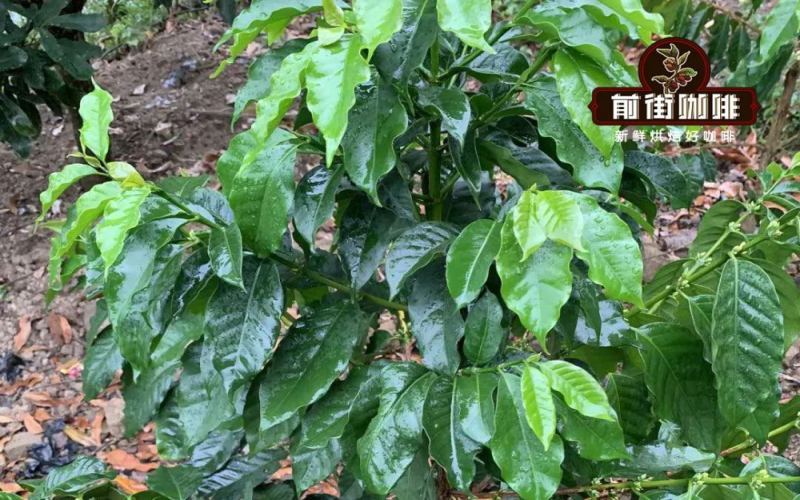
The Origin and Global Spread of Typica Coffee Beans: Variety Characteristics, Cultivation Process, and an Analysis of Front Street Blue Mountain Flavor
Typica is one of the oldest varieties of Arabica coffee. Starting from Ethiopia, it traveled through Yemen, India, Europe, and Southeast Asia, eventually taking root in Central and South America, shaping the landscape of coffee-producing countries worldwide. This article outlines the varietal characteristics and global spread of Typica coffee beans, explains in detail the complete growth process from seed selection, germination, and seedling cultivation to flowering, fruiting, and harvesting, and uses Jamaica Front Street Blue Mountain Coffee as an example to share roasting parameters, cupping reports, and brewing suggestions, giving you a comprehensive understanding of this classic variety. [more…]

Pros and Cons of Drip Bag Coffee | How to Brew Jamaican Blue Mountain No. 1 Drip Coffee Bags? What Are the Wrong Ways to Brew Filter Coffee Bags?
For more specialty coffee knowledge, please follow the WeChat official account: Front Street Coffee (FrontStreet Coffee). Drip bag coffee is loved by coffee enthusiasts for its convenience, so many novice coffee lovers who have just started using drip bag coffee ask Front Street Coffee (FrontSt [more…]
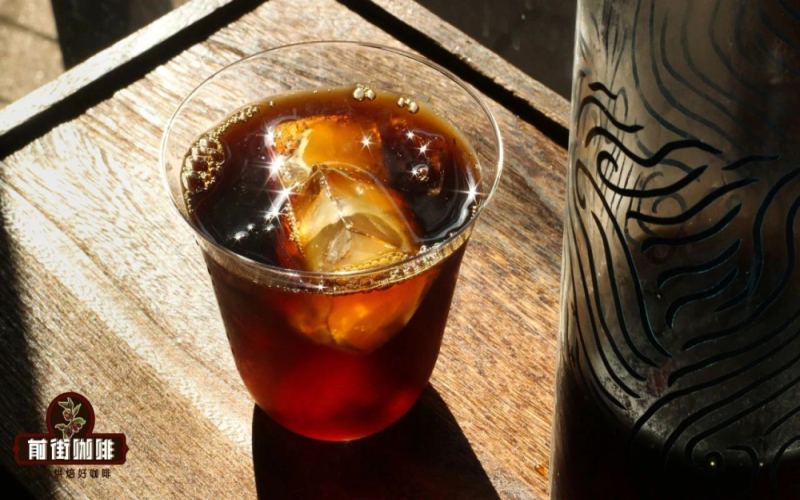
What Type of Coffee Does Cold Drip Coffee Belong To? A Detailed Explanation of the Preparation Steps and Its Flavor Differences from Cold Brew Coffee
As temperatures gradually rise, cold beverages enter their peak sales season, and cafés are putting all kinds of iced coffee on their menus, including Americano, cold brew, and the rather time-consuming ice drip coffee. Many consumers wonder why ice drip coffee is often priced considerably higher than ordinary iced coffee. In this article, Front Street Coffee will explain ice drip coffee's category classification, extraction principles, complete brewing process, and how it differs in flavor from cold brew coffee, while also introducing ice drip coffee's storage advantages and the people it suits, to help coffee lovers gain a comprehensive understanding of this slow-crafted coffee category. [more…]
A Complete Guide to the World's Twelve Great Specialty Coffee Regions: The Flavor Geography from Colombia to India
The flavor code of coffee is often hidden in the land where it grows. From the Andes in South America to the highlands of Africa, from the Caribbean islands to the archipelagos of Asia, each producing region shapes an unrepeatable landscape in the cup through its unique climate, altitude, and processing methods. This article will take you on a visit to twelve globally recognized high-quality coffee origins—Colombia's balanced smoothness, Ethiopia's wild wine-like aroma, Jamaica Blue Mountain's scarce legend, Yemen Mocha's complexity and variability, as well as the distinctive personalities of Kenya, Indonesia, Hawaii, and other places. Whether you are a beginner pour-over enthusiast or a seasoned player looking for your next bag of beans, this origin guide can help you build a clearer flavor coordinate system. Front Street Coffee will also accompany you in understanding the origins while finding the cup that suits you. [more…]

Drip Coffee Bags | How acidic is dark roast Brazilian drip black coffee? How to brew Mandheling, Yirgacheffe, and Brazilian drip coffee?
With the rise of the specialty coffee trend, coffee culture has been continuously spreading, and sales of both coffee equipment and coffee beans are constantly increasing. As a store focused on specialty coffee, Front Street not only brews a delicious cup of coffee for every guest, but also aims to spread coffee culture. If everyone [more…]

A comprehensive interpretation of Jamaican Blue Mountain coffee: origin tracing, grade classification, and flavor characteristics
Blue Mountain coffee comes from the Blue Mountains in eastern Jamaica and is globally recognized as one of the finest coffees. This article provides a systematic overview of Jamaican Blue Mountain coffee from multiple dimensions, including the growing environment, historical origins, grade classification, quality control, export quotas, and brewing methods. Blue Mountain coffee is known as the "beauty of coffees" because its sweetness, acidity, and bitterness are highly balanced, with almost no bitterness and only a moderate, elegant acidity. The article also explains in detail the differences between Blue Mountain coffee, High Mountain coffee, and Jamaican coffee, as well as the historical background of Japan's long-standing dominance of the Blue Mountain trade, helping coffee lovers gain a comprehensive understanding of this legendary coffee. [more…]
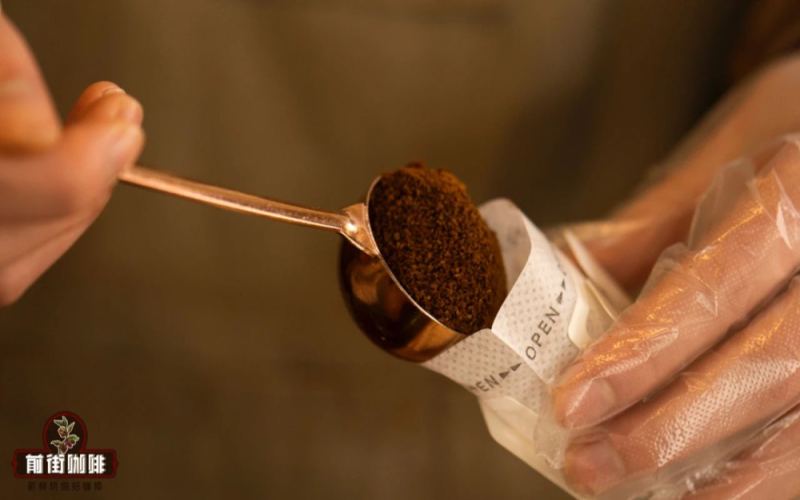
Drip bags vs instant coffee | Which is better: pour-over drip coffee bags or instant coffee? Is there a big difference in flavor and mouthfeel between drip coffee bags and hand-brewed coffee?
With the rise of the specialty coffee trend, coffee culture has been continuously spreading, and sales of both coffee equipment and coffee beans have been steadily increasing. As a shop focused on specialty coffee, Front Street not only brews a delicious cup of coffee for every guest, but also wants to spread coffee culture. If everyone [more…]
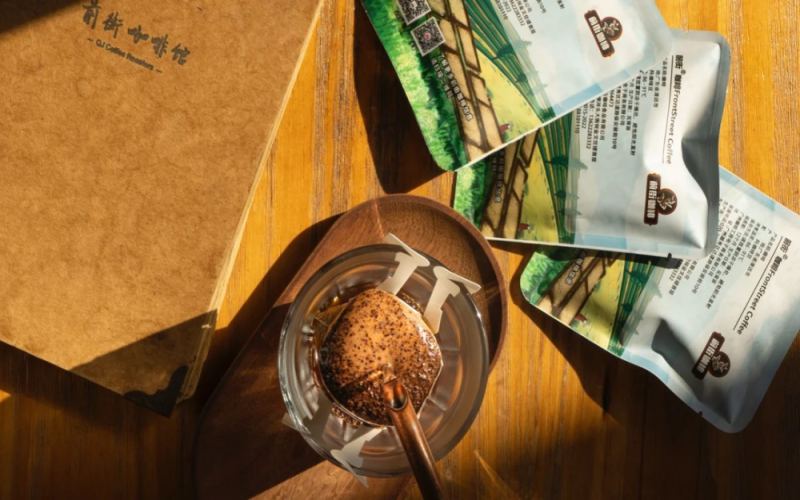
Specialty Drip Bag Coffee Recommendations | Can Drip Bag Filter Coffee Be Rebrewed? What Are the Precautions for Brewing Drip Bag Black Coffee? Does Drip Bag Coffee Taste Good?
Drip bag coffee is a very convenient way to brew coffee. All you need is a drip bag, hot water, and a cup, and you can get a delicious cup of black coffee. You might ask, "Why is drip bag coffee compared to a simplified version of pour-over coffee?" Because drip bag coffee is made by grinding fresh coffee beans into the appropriate coffee [more…]
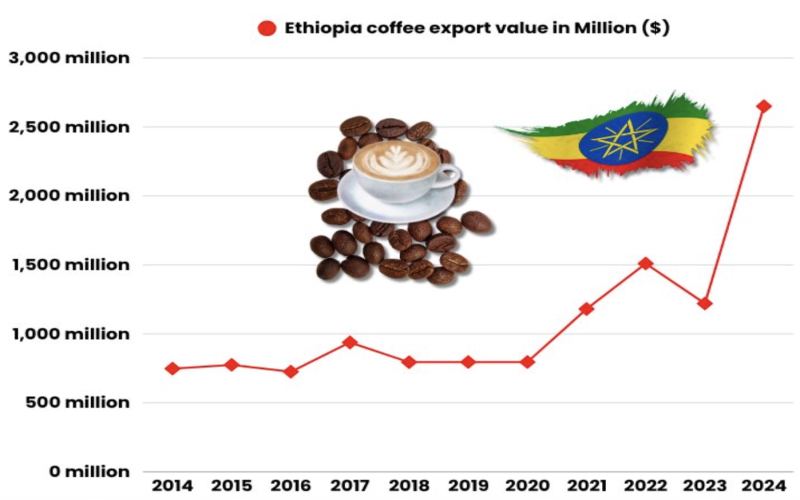
2024-2025 Ethiopia Coffee Export Report: Ethiopia's Main Coffee Export Destinations and Production
Ethiopia is not only the birthplace of Arabica coffee but also one of the world's major suppliers of high-quality coffee beans. Coffee occupies a central position in Ethiopia's economy, culture, and trade. In 2024-2025, Ethiopia's coffee export volume and export revenue both reached historic highs, marking [more…]
An In-Depth Analysis of Jamaican Blue Mountain Coffee: From Origin and Grading to Brewing and Tasting, Unlocking the Unique Charm of Front Street Blue Mountain Coffee
Blue Mountain coffee is hailed as the pinnacle of the coffee world. Originating from the Blue Mountains of Jamaica, it is renowned worldwide for its perfectly balanced flavor profile of acidity, bitterness, sweetness, and body. Front Street Coffee's Blue Mountain coffee, with its rich and well-balanced mouthfeel and lingering fruity aroma, has become a favorite among countless coffee enthusiasts. This article provides a comprehensive exploration of this top-tier coffee that coffee connoisseurs around the globe seek out — from the origin environment, historical development, grading standards, and quality control of Blue Mountain coffee, to brewing and tasting methods. It also examines the enormous flavor differences between instant coffee and freshly roasted Blue Mountain coffee, as well as the quality commitment behind Blue Mountain coffee's unique packaging and transportation. [more…]
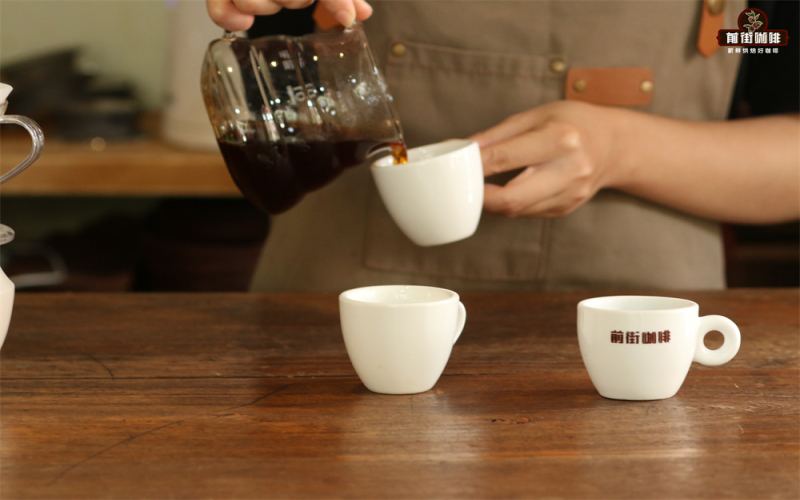
From Origin to Processing Method: A Full Analysis of Single-Origin Coffee Flavor Profiles and Front Street Coffee Everyday Bean Buying Guide
In the world of coffee, there is no universally recognized "best-tasting ranking," because taste varies from person to person—what truly suits you is the best. This article begins with the origins of the specialty coffee concept, sorts out the flavor differences among the three major producing regions of Africa, Asia, and the Americas, and introduces one by one the coffee characteristics of representative origins such as Ethiopia, Brazil, Indonesia, Colombia, Guatemala, Costa Rica, Yunnan, and Panama. At the same time, drawing on Front Street Coffee's approach to selecting everyday beans, it explains the influence of washed and natural processing methods on flavor, as well as the role of pour-over pouring techniques and coffee bean freshness in the final cup, providing coffee lovers with a systematic reference for understanding and purchasing single-origin coffee. [more…]